High-pressure die casting services for structural, functional and cosmetic industrial components, supported by tooling, CNC secondary machining and surface finishing.
cold-chamber die casting range
common alloy programs
mold design and trial casting
deburring, CNC and finishing
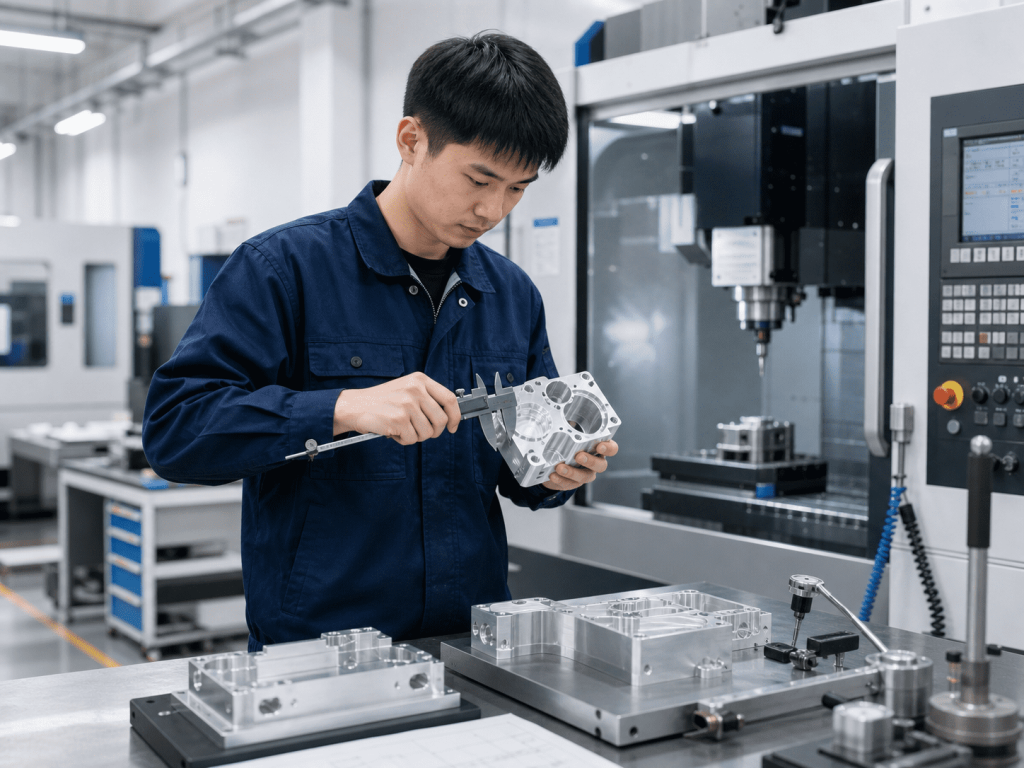
Engineers review mounting surfaces, hole positions, sealing faces and thread callouts before programming.
Aluminum, steel, brass, zinc, magnesium and engineering plastic parts can be machined for functional assemblies.
Machined parts can move into anodizing, plating, brushing, polishing or blasting without changing suppliers.
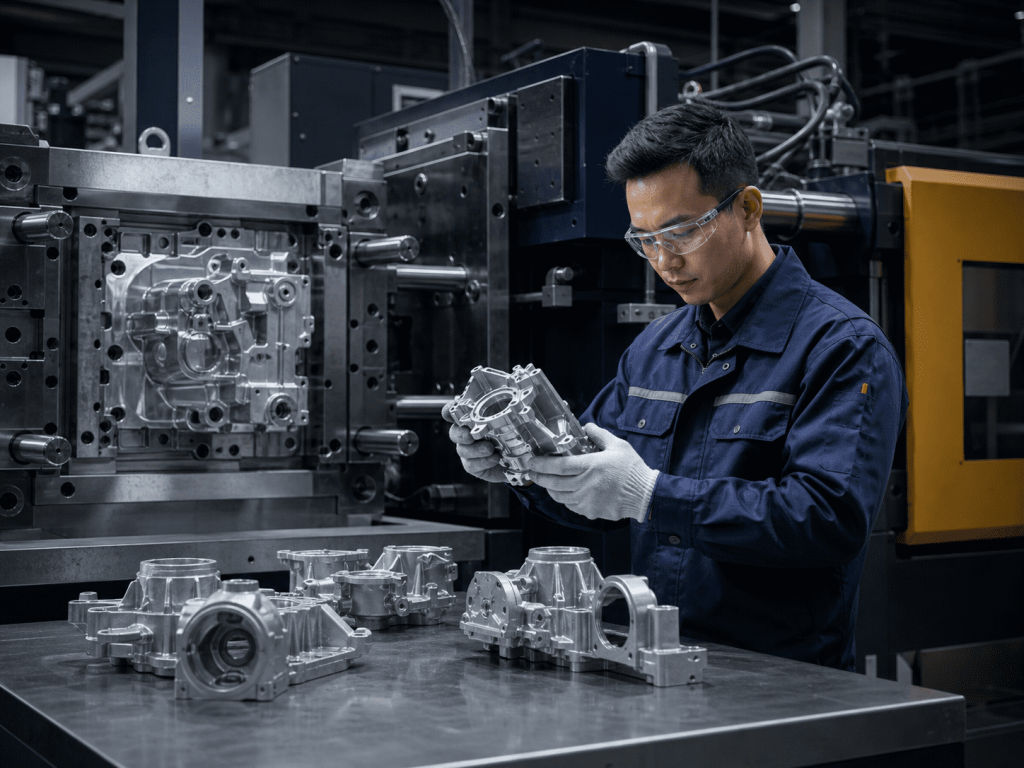
Wall thickness, rib geometry, draft angle, gate position and parting-line visibility are checked before mold build.
Mold development, trial casting, parameter adjustment and stable batch supply are coordinated in one route.
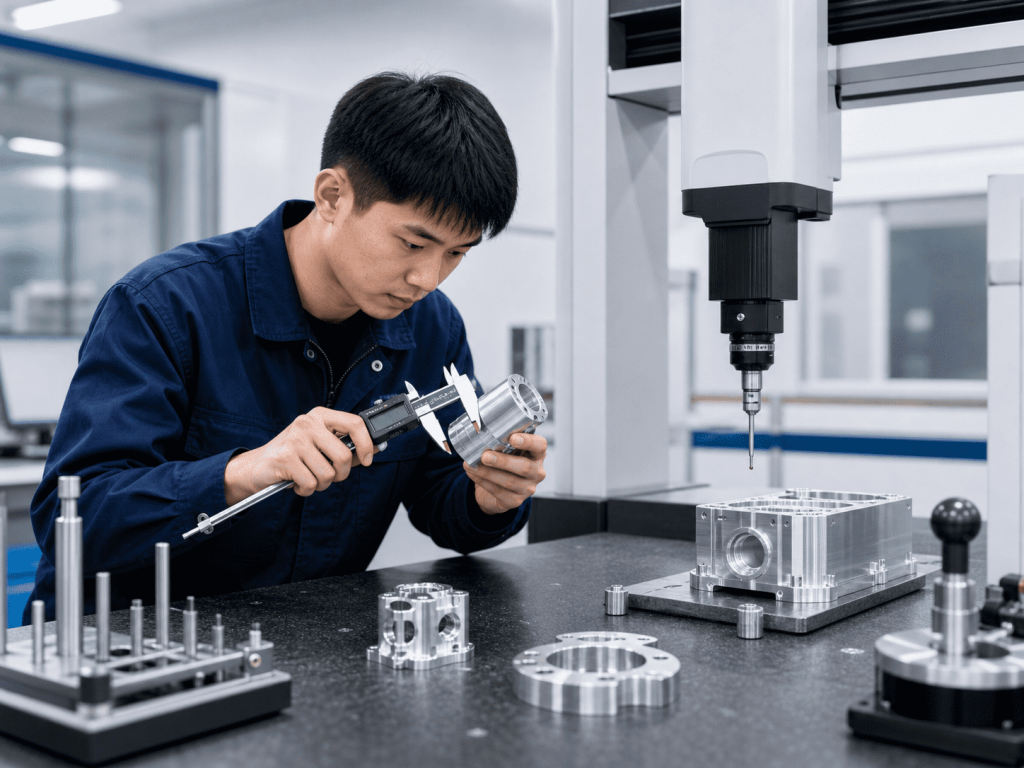
Interfaces, threads, sealing faces and cosmetic surfaces can be CNC machined and finished after casting.
| Casting alloys | Zinc alloy, aluminum alloy and magnesium alloy, selected by strength, weight and finish requirements. |
|---|---|
| Machine range | Cold-chamber die casting capability from 68T to 2000T for small to large structural parts. |
| Tooling support | Die design, mold making, trial production and production optimization. |
| Secondary process | Deburring, CNC machining, drilling, tapping, polishing, plating and coating. |
| Applications | Telecom, automotive, electronics, industrial hardware and structural assemblies. |
| Alloy selection | Zinc, aluminum or magnesium alloy is selected by weight, strength, detail, cost and finish needs. |
|---|---|
| Tooling input | Provide target annual volume, expected life, parting-line preference and cosmetic surface requirements. |
| Casting risks | Porosity, shrinkage, thin walls and ejector locations should be reviewed before quotation. |
| Post-machining | Identify threaded holes, datum faces, sealing surfaces and CNC tolerance zones. |
| Finish route | Plating, painting, polishing, blasting or coating should be confirmed before mold design. |
Review casting geometry, alloy, parting line, draft and wall thickness.
Build mold plan, run trial casting and tune process parameters.
Cast production parts with deburring and in-process checks.
Complete CNC machining, finishing, inspection and packaging.
Short-shot, flash, sink, ejector marks and dimensional trends are reviewed during trial runs.
Temperature, pressure, fill condition and cycle stability are monitored for repeat production.
High-risk sealing or machining zones are identified early to reduce functional failures.
Deburring, machining, appearance and finish requirements are checked before delivery.
Cold-chamber die casting capability
Alloy options for weight, strength and finish
Mold development through trial casting

Zinc or aluminum enclosures, covers and structural shells with cosmetic or machined interfaces.
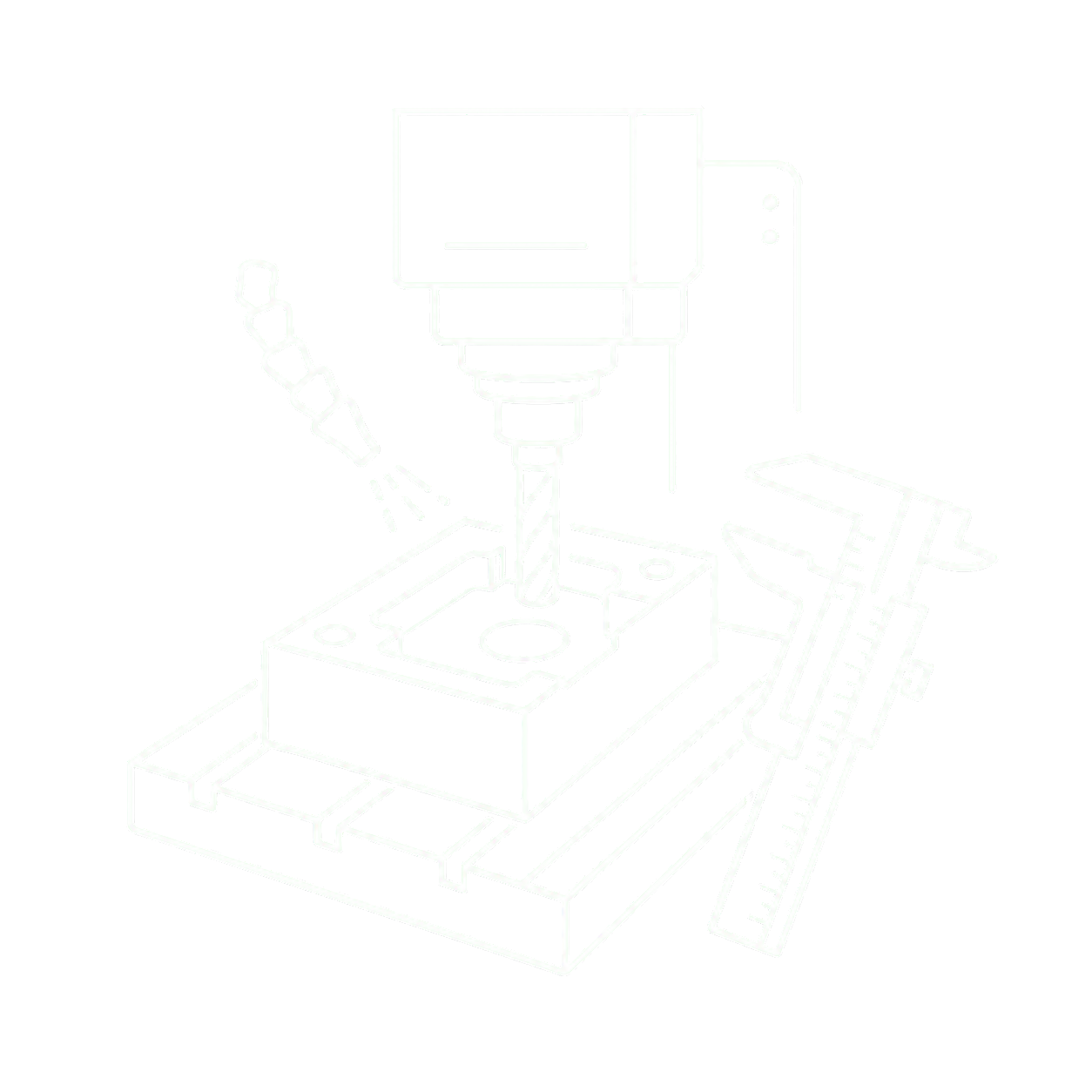
Cast parts with CNC-machined mounting faces, holes, threads and sealing surfaces.
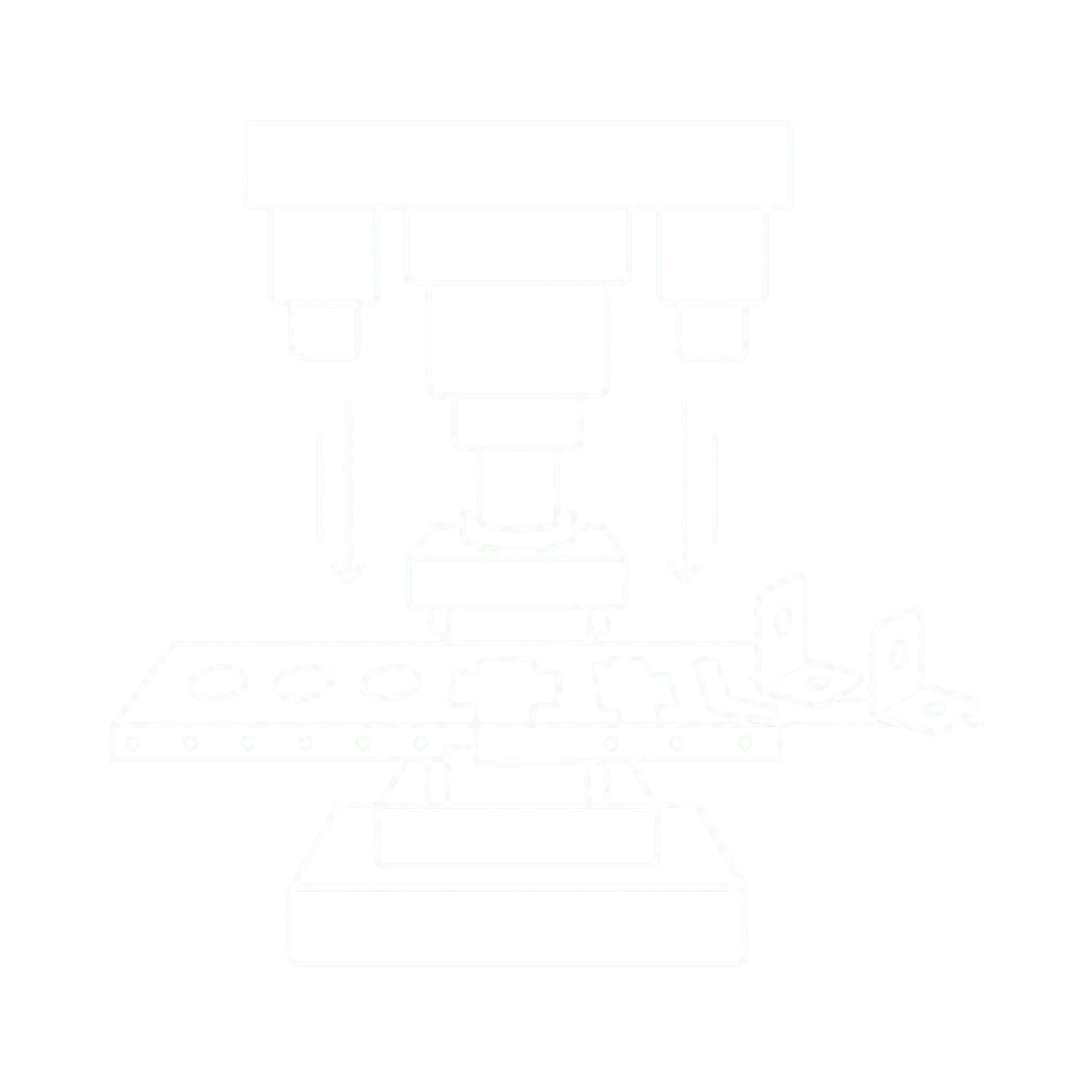
Aluminum and magnesium brackets for assemblies that need strength with controlled weight.

Castings delivered with polishing, plating, painting, blasting or corrosion-resistant coatings.

Zhongzhu supports zinc, aluminum and magnesium alloy die casting, with alloy choice reviewed by strength, weight, wall thickness and finish requirements.
Yes. Threads, datum faces, sealing surfaces and assembly features can be CNC machined after casting.
Send 3D files, 2D drawings, alloy or performance target, quantity, finish, cosmetic zones and any critical machining requirements.
Yes. Mold design, trial casting, sample review and production optimization can be coordinated.
High-risk zones are reviewed during DFM, and process settings, gate design and post-inspection are planned around the application.
Yes. Parts can be deburred, machined, polished, plated, painted, blasted or coated according to the project.
Simply upload your product blueprints. Our engineering division will analyze your files and provide a Free DFM report and pricing quote within 24 hours.